Our technique for this has proved pretty successful of late. We were particularly pleased this holiday when we managed a walk that included one child who has been rather reluctant to walk of late. But when he was told we were going on a Treasure Hunt, he became quite keen.
What we do, of course, is go Geocaching. Which is using our satnav to go hunting for small pieces of plastic treasure (generally cracker gifts) hidden in small boxes in all sorts of locations. There are over 1.6 million geocaches worldwide and 13,062 in the UK on the day I checked. We visited the Clent Hills in Worcestershire where 32 caches have been hidden by enthusiasts. Some of the ones we found were hidden by Girl Guide troops. All you do is join the website (for free), log the GPS location of the caches in your satnav (there are also plenty of apps for mobile devices) and off you go.
Once you find your cache, you exchange a small item you have brought for one in the box, write your name in the log and rehide the box. We found four geocaches yesterday and managed to get the kids on a decent walk round the beautiful landscape and blow away some Christmas cobwebs.
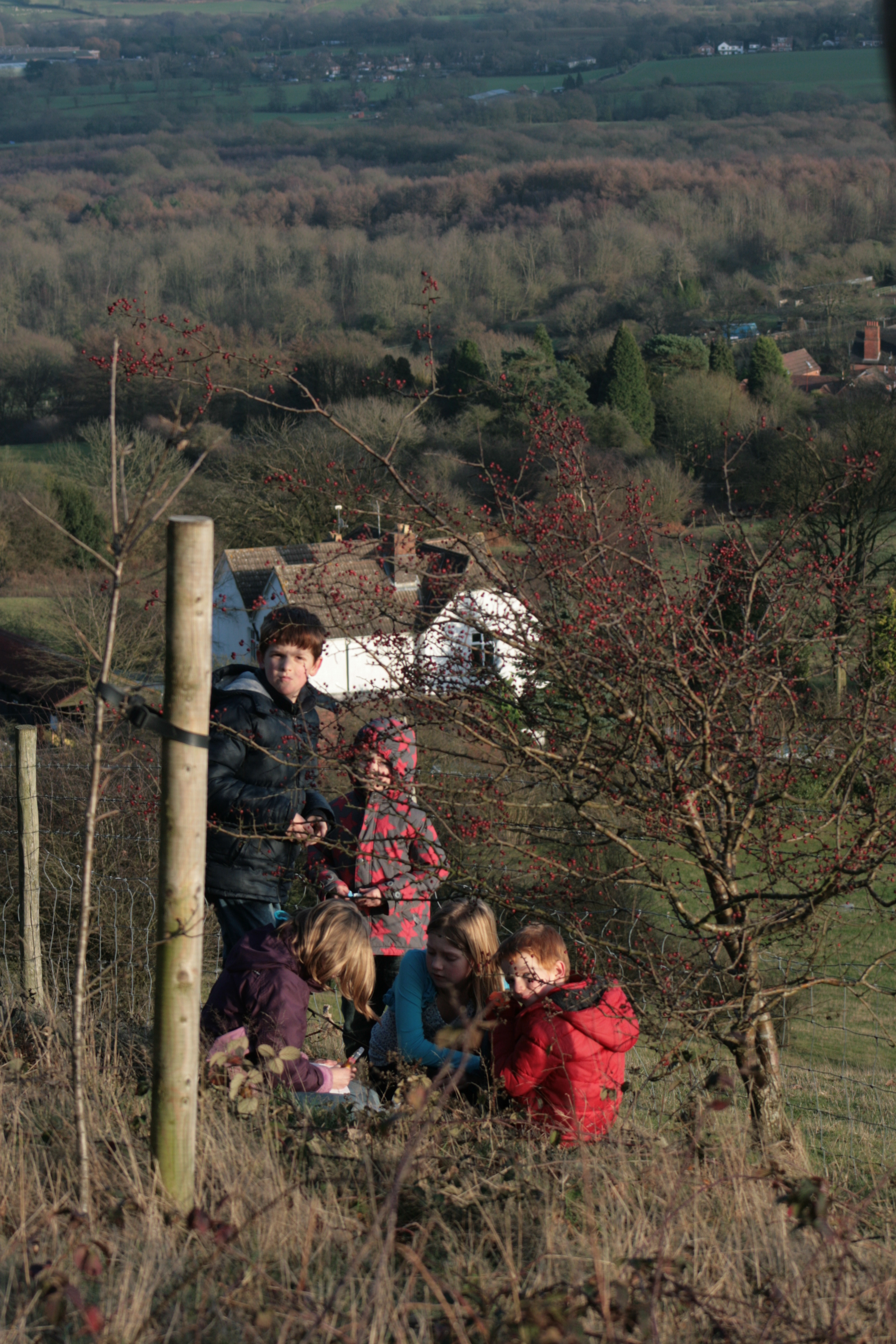
Enthusiastic kids (honestly!) examining a geocache
Other than with our family and friends, the Vicar has also run geocaching sessions with the youth group at church and on our summer camp for 11-14s. As long as they don’t have to walk *too* far, the teens have loved it. It also seems to be popular with other clergy friends, if my Facebook feed is anything to go by. Free entertainment and a way to get the kids out and active, what’s not to like?






 There are four books in the series, written by Michael Lawrence and illustrated by Tony Ross. Each story is about 60 pages long, with large print and good pictures. What makes them great for readers all through Key Stage 2 (the Juniors to those of us who went to school before the National Curriculum) is that although there are not many words, there is much rich vocabulary and lots of fun with literary form in just a few pages.


 The Vicar's Wife